
Whether you're a homeowner, business owner, or vehicle owner in Downers Grove, experiencing lock problems can be frustrating and sometimes alarming. From keys that won't turn to completely jammed locks, these issues always seem to happen at the most inconvenient times. Understanding common locksmith problems and their solutions can help you determine when you can handle the issue yourself and when it's time to call a professional locksmith. At Downers Grove Chicago Locksmith, we've seen virtually every lock-related problem imaginable, and we're here to share our expertise to help you navigate these challenging situations.
Understanding Why Lock Problems Occur
Before diving into specific problems and solutions, it's important to understand why locks fail in the first place. Locks are mechanical devices subject to wear and tear from daily use, weather exposure, and aging. In the Downers Grove area, our harsh winters and humid summers can accelerate lock deterioration. Metal components expand and contract with temperature changes, lubricants can dry out or freeze, and moisture can cause rust and corrosion. Additionally, improper installation, low-quality locks, and attempted break-ins can all contribute to lock malfunctions. Recognizing the root cause of a lock problem is the first step toward finding the right solution.
Stuck or Jammed Keys
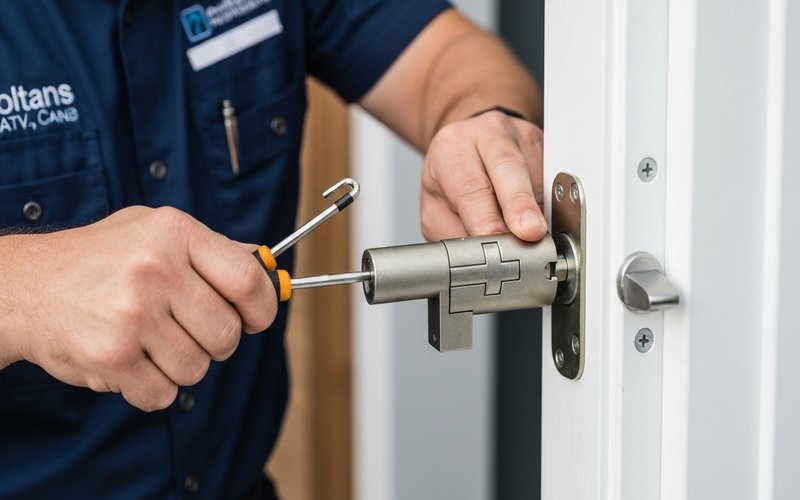
One of the most common issues people face is a key that won't turn smoothly in the lock or gets stuck completely. This problem typically occurs due to several factors. The lock cylinder may have accumulated dust, dirt, or debris over time, creating friction that prevents the key from turning. In winter months, moisture can freeze inside the lock mechanism, making it impossible to turn the key. Sometimes, the pins inside the lock become misaligned or worn, preventing proper key operation.
Solutions for stuck keys include:
- Apply a graphite-based lubricant specifically designed for locks (never use WD-40 or oil-based products, as these attract dirt)
- For frozen locks, gently heat your key with a lighter and carefully insert it to melt the ice
- Ensure you're using the correct key and that it's fully inserted
- Gently wiggle the key while applying slight pressure to help align internal pins
- Check for bent or worn keys that may need replacement
Broken Keys in Locks
Speaking of broken keys, this is another frequent emergency we handle at our 6509 Powell St location. Keys break for various reasons: metal fatigue from years of use, forcing a stuck key, using excessive pressure when the lock is frozen, or simply having a key that's worn too thin. A broken key lodged in your lock is particularly problematic because it prevents you from accessing your property and makes it impossible to insert a working key.
Immediate steps to take:
- Don't attempt to insert another key or push the broken piece further into the lock
- If part of the key is protruding, carefully try to extract it with needle-nose pliers
- Apply lubricant to help the broken piece slide out more easily
- Try using a broken key extractor tool if you have one available
- For stubborn cases, call a professional locksmith immediately
Locks That Won't Latch or Lock Properly
Can a locksmith fix a door that won't lock? Absolutely. When your door won't latch or lock properly, it creates a serious security vulnerability. This problem often results from door misalignment caused by foundation settling, humidity changes affecting wooden doors, or worn hinges. The strike plate (the metal plate on the door frame where the latch enters) may be misaligned with the latch bolt, preventing proper engagement.
Common causes and solutions:
- Misaligned strike plate: The latch may be hitting above, below, or to the side of the strike plate opening. This can sometimes be resolved by adjusting the strike plate position or filing the opening slightly larger.
- Sagging door: Check if your door has dropped due to worn hinges. Tightening hinge screws or replacing hinges can restore proper alignment.
- Swollen door: Wooden doors absorb moisture and expand. During humid summer months in Downers Grove, doors may stick and prevent latches from engaging properly.
- Worn latch mechanism: The latch bolt itself may be damaged, sticky, or not extending fully due to internal spring failure.
Lockouts: Residential, Commercial, and Automotive
Lockouts are perhaps the most urgent and stressful locksmith emergencies. Whether you've lost your keys, left them inside, or they've been stolen, being locked out disrupts your entire day and can compromise your security. Each type of lockout requires a different approach.
Residential lockouts often happen when homeowners accidentally lock themselves out while taking out trash, getting the mail, or during rushed morning routines. If you have a trusted neighbor with a spare key, that's your quickest solution. Otherwise, check for unlocked windows or alternative entry points before calling a locksmith.
Commercial lockouts can affect your entire business operation and potentially impact customer service. Having a key management system and providing trusted employees with access can prevent these situations. When a commercial lockout occurs, a professional locksmith can provide rapid response to minimize business disruption.
Automotive lockouts leave you stranded, often in inconvenient or unsafe locations. Modern vehicles with electronic key fobs and sophisticated security systems require specialized knowledge and equipment to unlock without causing damage.
Our emergency lockout services in Downers Grove provide 24/7 assistance to get you back inside quickly and safely. Response times typically range from 15-30 minutes, depending on your location and current service demand.
Worn or Damaged Lock Cylinders
Lock cylinders wear out over time, especially on frequently used doors like main entrances. Signs of cylinder wear include difficulty inserting keys, keys that turn roughly or inconsistently, and loose or wobbly key operation. Environmental exposure accelerates cylinder deterioration, particularly on exterior doors facing harsh weather conditions.
Indicators your cylinder needs attention:
- Keys require significant force to turn
- The lock feels loose or components rattle
- Visible rust or corrosion on the cylinder
- The key doesn't insert smoothly or gets stuck
- Inconsistent operation (works sometimes but not others)
Electronic and Smart Lock Malfunctions
As more Downers Grove homes and businesses adopt smart lock technology, we're seeing an increase in electronic lock issues. These sophisticated systems offer convenience and enhanced security features but introduce new potential problems. Electronic locks depend on power sources, wireless connectivity, and software that can malfunction.
Common electronic lock problems:
- Dead batteries preventing operation (most electronic locks have emergency battery or key backup)
- Connectivity issues preventing smartphone or remote control
- Software glitches requiring system resets
- Mechanical components failing despite electronic systems working
- Incompatibility with existing door hardware or smart home systems
Troubleshooting steps:
- Replace batteries first (this solves most electronic lock issues)
- Reset the system according to manufacturer instructions
- Check smartphone app for connectivity or software updates
- Verify the mechanical key backup functions properly
- Test the lock with alternative methods (keypad, backup key, etc.)
Lock Installation Problems
Improper lock installation creates numerous problems down the line. DIY lock installation might seem straightforward, but incorrect alignment, improper drilling, or using wrong-sized components compromises both functionality and security. We frequently service calls from Downers Grove residents attempting to correct DIY installation mistakes.
Common installation errors:
- Incorrectly positioned strike plates creating alignment issues
- Improperly drilled holes damaging door integrity
- Wrong backset measurements (distance from door edge to lock center)
- Incompatible lock and door thickness combinations
- Insufficient or incorrect screws providing inadequate security
Security Concerns After Break-in Attempts
Break-in attempts, even unsuccessful ones, compromise lock integrity and home security. Forced entry attempts damage locks, doors, and frames, requiring immediate attention. Beyond the obvious physical damage, break-ins create security vulnerabilities that criminals may exploit during future attempts.
Post break-in security measures:
- Document all damage for insurance and police reports
- Have locks professionally assessed for hidden damage
- Replace compromised locks immediately, even if they appear functional
- Consider upgrading to high-security locks with anti-pick, anti-drill, and anti-bump features
- Evaluate overall security and add supplementary measures like deadbolts or security systems
- Rekey all locks if keys were stolen or entry was gained
Rekeying vs. Lock Replacement
When facing lock problems or security concerns, property owners often wonder whether to rekey or replace locks entirely. Understanding the difference helps you make informed, cost-effective decisions.
Rekeying involves changing the internal pins and springs in the lock cylinder so existing keys no longer work and new keys must be used. This is ideal when:
- Moving into a new home or business
- After firing an employee who had keys
- When keys are lost or stolen
- Wanting all locks to work with a single key (master keying)
- The lock hardware is in good condition
Lock replacement involves installing completely new lock hardware. This is necessary when:
- Locks are damaged, worn, or malfunctioning
- Upgrading security levels
- Changing lock types or styles
- Existing locks are outdated or don't meet current security standards
- You want to add smart lock features
Frozen Locks in Winter
Downers Grove winters can be brutal, and frozen locks are a common seasonal problem. Moisture enters the lock mechanism, freezes, and prevents key insertion or turning. This typically occurs during temperature fluctuations when daytime melting refreezes overnight.
Prevention and solutions:
- Apply lock de-icer spray before winter arrives
- Cover locks with magnetic covers during extreme cold
- Regularly lubricate locks with graphite powder
- Heat your key with a lighter before insertion (carefully)
- Use lock de-icer spray when frozen (available at hardware stores)
- Never force a frozen lock, as this can break your key
What Does Wrapping a Rubber Band Around Your Doorknob Mean?
You might have heard about the rubber band doorknob trick online. What does wrapping a rubber band around your doorknob mean? While some present this as a security concern suggesting criminal activity, it's more commonly a legitimate trick people use to prevent doors from latching shut (keeping a door ajar for convenience). However, if you discover a rubber band on your door that you didn't place there, it could potentially indicate someone testing your security or attempting to prevent your door from latching properly.
Security considerations:
- Remove any unfamiliar items from door hardware immediately
- Check your locks and security regularly
- Report suspicious activity to local authorities
- Consider upgrading to smart locks with activity monitoring
- Install security cameras to monitor entry points
Commercial Lock Problems
Businesses face unique locksmith challenges beyond typical residential issues. Commercial properties have higher security requirements, more users, and compliance considerations. Common commercial lock problems include:
Master key system failures: When master or sub-master keys stop working properly, it can disrupt entire building access systems. These complex systems require professional expertise to repair or reconfigure.
Panic bar malfunctions: Emergency exit devices must function reliably for safety compliance. Sticky, jammed, or non-responsive panic bars create serious liability issues and code violations.
Access control system problems: Electronic access control systems may experience reader failures, credential issues, or software glitches requiring specialized technical service.
High-traffic wear: Commercial doors experience significantly more use than residential doors, accelerating wear on locks, hinges, and closers.
Regular commercial lock maintenance prevents many problems before they disrupt operations. Professional locksmiths provide scheduled maintenance programs ensuring reliability and compliance with safety codes.
When to Call a Professional Locksmith
While some minor lock issues can be resolved with DIY approaches, many situations require professional expertise. Knowing when to call a locksmith prevents additional damage, saves money in the long run, and ensures proper security.
Call a professional locksmith when:
- You're completely locked out of your property or vehicle
- A key has broken off inside the lock
- You've experienced a break-in or attempted break-in
- Locks are visibly damaged or not functioning properly
- You need locks rekeyed or replaced
- Installing new locks or upgrading security systems
- Electronic or smart locks malfunction
- You need emergency 24/7 service
- Commercial lock systems require service or maintenance
Choosing the Right Locksmith in Downers Grove
Not all locksmiths provide equal service quality. When you need locksmith services, choosing a reputable, professional company protects you from scams and ensures quality work.
Look for these qualities:
- Licensed and insured locksmith services
- Established local presence (not just a call center)
- Physical business address in the area
- Transparent pricing without hidden fees
- 24/7 emergency availability
- Positive customer reviews and testimonials
- Technicians who arrive in marked vehicles with proper identification
- Warranty on parts and labor
Preventive Maintenance for Long-lasting Locks
The best solution to locksmith problems is preventing them before they occur. Regular lock maintenance extends lifespan, ensures reliable operation, and maintains security effectiveness.
Essential maintenance tasks:
- Lubricate locks twice yearly with graphite powder or silicone spray
- Clean lock cylinders to remove dirt and debris
- Tighten loose screws on locks, handles, and strike plates
- Check door alignment and adjust as needed
- Replace worn keys before they break
- Test all locks regularly to identify problems early