
Home security is one of the most important investments you can make as a homeowner. Whether you've just moved into a new property in Downers Grove or you've been living in the same home for years, understanding locksmith safety is crucial for protecting your family and belongings. Many homeowners don't realize that simple oversights in their security setup can leave them vulnerable to break-ins, lockouts, and other security issues.
At Downers Grove Chicago Locksmith, we've seen firsthand how proper lock maintenance and security practices can make the difference between a secure home and one that's an easy target for intruders. In this comprehensive guide, we'll share essential safety tips that every homeowner should know, from choosing the right locks to recognizing when it's time to upgrade your security system.
Always Change Your Locks When Moving Into a New Home
One of the most critical yet often overlooked safety tips is changing all locks when you move into a new property. Many homeowners assume that existing locks are sufficient, but this can be a costly mistake.
When you purchase or rent a new home, you have no way of knowing how many copies of the keys exist. Previous owners, their family members, contractors, real estate agents, and even former tenants may still have access to your property. This presents a significant security risk that can be easily eliminated.
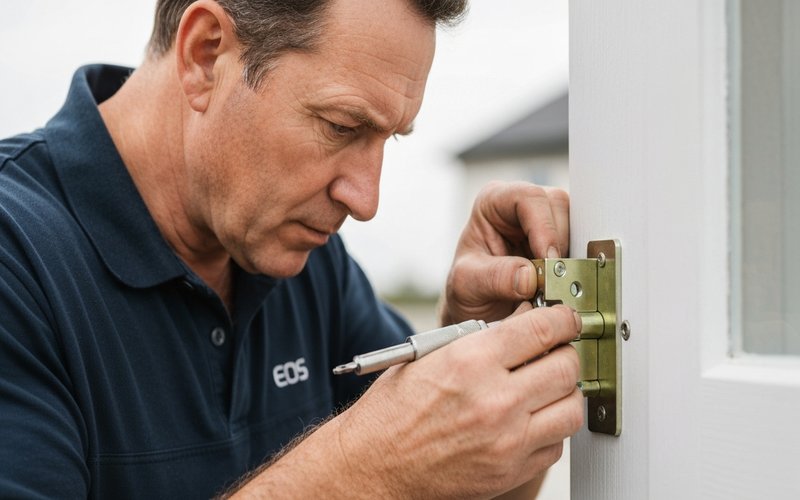
Why Rekeying or Replacing Is Essential
Rekeying your locks is a cost-effective solution that changes the internal mechanism of your existing locks so that old keys no longer work. This process is typically less expensive than completely replacing all your locks and can usually be completed in a few hours by a professional locksmith.
However, if your new home has outdated or low-quality locks, full replacement might be the better option. Modern locks offer superior security features, including pick-resistant cylinders, reinforced strike plates, and bump-proof mechanisms that older locks simply don't provide.
Understand the Different Types of Lock Security Levels
Not all locks are created equal, and understanding the various security levels available can help you make informed decisions about protecting your home. The American National Standards Institute (ANSI) grades locks on a scale from Grade 1 (highest security) to Grade 3 (basic security).
Grade 1 Locks: Maximum Security
Grade 1 locks are the highest quality residential locks available and are often used in commercial applications. These locks can withstand significant force and manipulation attempts, making them ideal for exterior doors and high-security areas of your home.
Grade 2 Locks: Standard Residential Security
Grade 2 locks offer excellent security for most residential applications. They provide strong resistance to forced entry and are suitable for front and back doors, garage entry points, and other exterior access points.
Grade 3 Locks: Basic Protection
Grade 3 locks are the most basic and should generally be reserved for interior doors or low-security applications. While they're better than nothing, they shouldn't be your first choice for exterior doors or areas where valuable items are stored.
Install Deadbolts on All Exterior Doors
Deadbolts are essential for home security and should be installed on every exterior door. Unlike spring-bolt locks found in standard doorknob sets, deadbolts cannot be easily forced open with a credit card or similar tool.
Single-Cylinder vs. Double-Cylinder Deadbolts
Single-cylinder deadbolts use a key on the outside and a thumb turn on the inside. They're convenient and meet most residential security needs. However, if your door has glass panels nearby, a double-cylinder deadbolt (which requires a key on both sides) may be more appropriate to prevent intruders from breaking the glass and reaching in to unlock the door.
One important safety consideration with double-cylinder deadbolts is ensuring you keep a key nearby for emergency exits, as they can create a fire hazard if family members cannot quickly unlock the door from inside.
Proper Deadbolt Installation
A deadbolt is only as strong as its installation. The bolt should extend at least one inch into the door frame, and the strike plate should be secured with three-inch screws that penetrate into the wall studs. Many burglars can kick in a door with a poorly installed deadbolt, so professional installation is highly recommended.
Keep Your Locks Well-Maintained
Lock maintenance is often overlooked until a problem occurs, but regular upkeep can prevent lockouts, ensure smooth operation, and extend the life of your locks.
Regular Cleaning and Lubrication
Dirt, dust, and debris can accumulate inside lock cylinders over time, causing keys to stick or the lock mechanism to jam. Clean your locks every six months using compressed air to remove particles, then apply a small amount of graphite lubricant (never use oil-based lubricants, which attract more dirt).
Recognizing Signs of Wear
Pay attention to how your locks feel when you use them. If a key becomes difficult to insert or turn, if the lock feels loose or wobbly, or if you notice visible damage to the lock body or keyhole, it's time to call a professional locksmith. These issues can indicate internal wear that could lead to lock failure or make your home more vulnerable to break-ins.
Never Hide Spare Keys in Obvious Places
The fake rock in your garden, the mat under your doorstep, and the planter by your front door are the first places burglars look for hidden keys. These "secret" hiding spots are well-known and compromise your security.
Better Alternatives for Spare Keys
Instead of hiding keys outside your home, consider these safer alternatives:
- Give a spare key to a trusted neighbor, friend, or family member who lives nearby
- Install a high-quality keyless entry system with a PIN code
- Use a lockbox with a combination code, mounted in a discrete location
- Keep a spare key in your wallet or purse when you're away from home
Invest in Smart Lock Technology
Smart locks represent the latest evolution in home security, offering convenience and enhanced protection. These devices allow you to lock and unlock your doors using smartphones, key codes, or biometric identification.
Benefits of Smart Locks
Smart locks eliminate the risk of lost keys and allow you to grant temporary access to guests, service providers, or family members without creating additional physical keys. Many models send notifications to your phone when someone enters your home, creating an activity log that can be invaluable for security purposes.
Additionally, smart locks can integrate with home automation systems, allowing you to create security routines such as automatic locking at specific times or when you leave a geofenced area.
Choosing the Right Smart Lock
When selecting a smart lock, look for models with strong encryption, backup power options (in case of power outages), and the ability to override with a physical key if the electronic system fails. Reputable brands offer regular firmware updates to address security vulnerabilities and improve functionality.
Secure Your Windows and Sliding Doors
While most homeowners focus on door security, windows and sliding doors are common entry points for burglars. These access points require special attention and appropriate security measures.
Window Lock Upgrades
Standard window locks are often inadequate for security purposes. Consider upgrading to keyed window locks, which prevent windows from being opened even if the glass is broken. For sliding windows, install blocking devices or pins that prevent the window from sliding open.
Sliding Door Security
Sliding glass doors are particularly vulnerable because they can be lifted off their tracks or forced open. Install a security bar or dowel in the track to prevent sliding, and consider adding a pin lock that prevents the door from being lifted. Modern sliding door locks with anti-lift features provide excellent security and are worth the investment.
Know When to Call a Professional Locksmith
While some lock-related tasks can be DIY projects, many situations require professional expertise to ensure your security isn't compromised.
Situations Requiring Professional Help
You should contact a professional locksmith when:
- You're locked out of your home and don't have access to spare keys
- A key breaks off inside a lock cylinder
- You need locks rekeyed or replaced
- You're experiencing repeated lock malfunctions
- You want a security assessment of your property
- You need high-security locks installed
- You're upgrading to smart lock systems
Avoiding Locksmith Scams
Unfortunately, locksmith scams are common, especially during emergency lockout situations. Always research locksmiths before you need their services, verify they have a physical address in your area, ask for identification when they arrive, and get a written estimate before any work begins. Legitimate locksmiths will be happy to provide this information.
What Locks Can Locksmiths Not Open?
While professional locksmiths have the tools and expertise to open most locks, some high-security locks present significant challenges. Abloy Protec2, Medeco Maxum, and certain biometric locks with proprietary systems may require specialized knowledge or equipment.
Additionally, some safe locks, especially those with electronic components or time-delay mechanisms, may require the manufacturer's involvement to open without damage. If you have high-security locks on your property, it's important to keep backup access methods and documentation in a secure location.
Essential Skills Every Homeowner Should Learn
While you should rely on professionals for complex locksmith work, there are three basic skills every homeowner should possess:
1. How to Properly Use Your Locks
This might sound obvious, but many people don't lock their doors correctly. Always engage your deadbolt, not just your spring-bolt lock. Ensure the door is fully closed before locking, and verify the bolt has fully extended into the strike plate.
2. Basic Lock Troubleshooting
Learn to identify common issues like stuck keys, misaligned strike plates, and loose doorknobs. Sometimes these problems can be temporarily resolved with simple adjustments until a professional can make permanent repairs.
3. Emergency Lockout Prevention
Develop habits that prevent lockouts, such as always checking for your keys before closing a door, creating a routine for where you place your keys, and ensuring you have backup access methods established before you need them.
Understanding Locksmith Costs in the USA
Knowing typical locksmith costs helps you budget for services and recognize when prices seem unreasonably high or low (which could indicate a scam).
Standard Service Pricing
In the United States, basic locksmith services typically range from $75 to $200 for standard jobs during business hours. Rekeying locks usually costs between $20 to $50 per lock, while lock installation ranges from $100 to $250 depending on the lock quality and complexity.
Emergency services, after-hours calls, and weekend work typically include premium charges of $50 to $100 above standard rates. Complex jobs involving high-security locks or smart lock installation may cost $200 to $500 or more.
In the Downers Grove area, prices generally align with Chicago-area averages, though they may be slightly lower than downtown Chicago rates.
Tools Locksmiths Use to Open Locked Doors
Understanding the tools and techniques professional locksmiths use can help you appreciate the skill involved and recognize legitimate professionals.
Lock Picking Tools
Professional locksmiths use specialized picks and tension wrenches to manipulate lock pins without damaging the mechanism. This non-destructive method is preferred when possible and requires significant training and practice to master.
Bypass Tools
For certain lock types, locksmiths may use bypass tools that exploit design features to open locks without picking. These might include shims for padlocks, latch slips for spring-bolt locks, or specialized tools for specific lock brands.
Key Extraction Tools
When keys break inside locks, locksmiths use extraction tools designed to grip and remove the broken piece without damaging the lock cylinder. These specialized hooks and probes require careful technique to avoid pushing the broken key deeper into the lock.
Drilling and Destructive Entry
As a last resort, locksmiths may need to drill locks that cannot be opened through other means. Professional locksmiths know exactly where to drill to minimize damage and will always discuss this option with you before proceeding.
Why Put a Rubber Band on a Doorknob When You're Alone?
This safety tip has circulated online, but it's important to understand its purpose and limitations. Placing a rubber band around a doorknob and stretching it over the latch can prevent someone from easily locking you in a room from the outside.
However, this is a temporary measure and not a substitute for proper lock security. If you're concerned about being locked in a room, the better solution is to ensure all interior doors can be unlocked from inside or to install proper privacy locks that can be overridden in emergencies.
For actual security purposes, this trick provides no protection and should not be relied upon for safety.
What Door Locks Cannot Be Picked?
While no lock is completely pick-proof, some locks are so difficult to pick that they're effectively secure against all but the most skilled and determined attackers.
Abloy Protec2
This Finnish lock uses a rotating disk cylinder instead of pin tumblers, making traditional lock picking impossible. It's considered one of the most secure mechanical locks available.
Medeco Locks
Medeco high-security locks feature pins that must rotate to specific angles in addition to being lifted to the correct height. This dual-action requirement makes picking extremely difficult.
Biometric Locks
Fingerprint and retinal scan locks eliminate traditional lock mechanisms entirely, making picking impossible. However, they rely on electronic systems that require backup power and may have different vulnerabilities.
Magnetic Locks
Some high-security applications use magnetic lock systems that require magnets in specific configurations to open. Without the correct magnetic key, these locks are virtually impossible to pick using traditional methods.
Create a Comprehensive Home Security Plan
Effective home security goes beyond individual locks and requires a holistic approach to protecting your property.
Security Layering
The principle of security layering involves creating multiple barriers that an intruder must overcome. This might include:
- Perimeter security (fencing, lighting, and surveillance)
- Entry point security (high-quality locks and reinforced doors)
- Interior security (alarm systems and safe rooms)
- Valuables protection (safes and hidden storage)
Regular Security Assessments
Conduct a security assessment of your home at least annually. Walk around your property from a burglar's perspective, looking for vulnerabilities such as:
- Dark areas that provide cover for intruders
- Easy-to-access windows or doors
- Ladders or tools left outside that could aid break-ins
- Overgrown vegetation that obscures windows and doors
- Weak or damaged locks and door frames
The Importance of Door Frame Reinforcement
Even the strongest lock is useless if the door frame can be easily kicked in. Door frame reinforcement is one of the most important and often overlooked aspects of home security.
Strike Plate Upgrades
Standard strike plates are attached with short screws that only penetrate the door frame, not the wall studs behind. Upgrading to a reinforced strike plate with three-inch screws that reach the studs dramatically increases resistance to forced entry.
Door Frame Reinforcement Kits
Complete door reinforcement kits include metal plates that run the length of the door frame, distributing force across a larger area and making it nearly impossible to kick the door in. These kits are relatively inexpensive and can be installed by handy homeowners or professional locksmiths.
Teach Your Family About Lock Security
Home security is a family responsibility, and everyone in your household should understand basic security practices.